

In today's fast-paced world, convenience is key. With busy schedules and hectic lifestyles, many people turn to quick and easy solutions when it comes to mealtime. However, the rise of fake food has sparked concern among health-conscious individuals.
Fake food refers to products that mimic the appearance, taste, or texture of real food but are actually made from artificial ingredients. These faux foods are often processed and loaded with additives, preservatives, and synthetic flavors to enhance their taste and appearance.
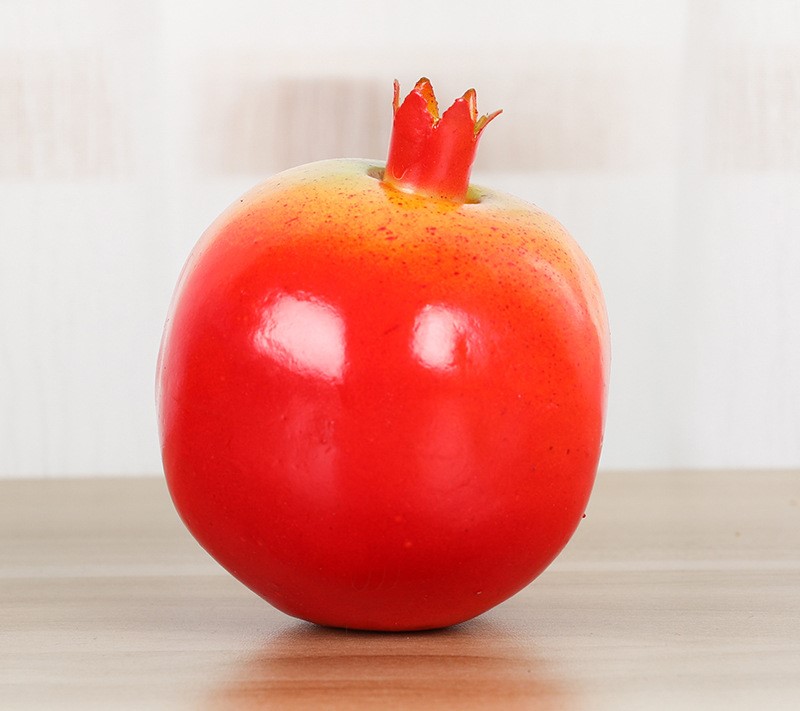
One of the biggest concerns with fake food is its lack of nutritional value. While real foods provide essential nutrients like vitamins, minerals, and antioxidants, fake foods offer little to no nutritional benefits. This can lead to deficiencies in essential nutrients and ultimately impact overall health and well-being.
Additionally, consuming fake food on a regular basis can have negative effects on digestion and metabolism. The artificial ingredients and additives used in these products can disrupt the natural balance of gut bacteria, leading to digestive issues such as bloating, gas, and discomfort.
Moreover, fake food can also have a negative impact on weight management. These products are often high in calories, sugar, and unhealthy fats, which can contribute to weight gain and obesity when consumed in excess.
So, what can Fake Food Hoodie do to avoid fake food and make healthier choices? The key is to prioritize whole, unprocessed foods in your diet. This includes fresh fruits and vegetables, lean proteins, whole grains, and healthy fats.
Reading food labels is also crucial in identifying fake food. Look for products with short ingredient lists that contain familiar, whole-food ingredients. Avoid products that contain artificial colors, flavors, and preservatives, as these are common indicators of fake food.
In conclusion, fake food may offer convenience, but it comes at a cost to your health. By being mindful of the foods you consume and making informed choices, you can avoid fake food and prioritize your well-being. Remember, the key to a healthy diet is choosing real, whole foods that nourish your body and support your overall health.